Dzisiaj Luboń staje się przede wszystkim atrakcyjnym miejscem zamieszkania dla mieszkańców Metropolii Poznań.
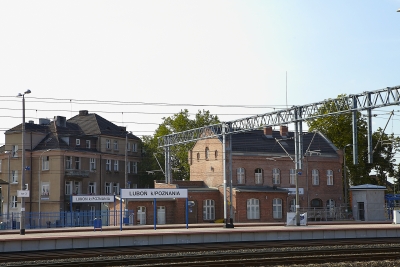
Dla potencjalnych inwestorów i mieszkańców sprzyjającym atutem Miasta jest korzystne położenie komunikacyjne. Węzły Autostrady A2 „Luboń” i Komorniki” umożliwiają szybki dojazd do miasta. Dodatkowo, przez Luboń przebiega linia kolejowa Poznań-Wrocław, od której na południu miasta rozgałęzia się linia do Wolsztyna.
Bliskość Poznania stymuluje rozwój budownictwa mieszkaniowego w mieście. Na terenach, które przez długi czas pozostawały niezagospodarowane, pojawiły się nowe budynki mieszkalne i usługowe, rozbudowano infrastrukturę, a także utworzono miejsca wypoczynku i rekreacji.
Czy wiesz, że?
Na terenie Lubonia do dnia dzisiejszego zachowały się elementy architektury przemysłowej. Można do nich zaliczyć zabytkowe zespoły zabudowy fabrycznej i zakładów przemysłu ziemniaczanego oraz fabryki nawozów sztucznych. Zabudowa fabryczna uzupełniona była domami kolonii mieszkalnej, która również przetrwała do dnia dzisiejszego.
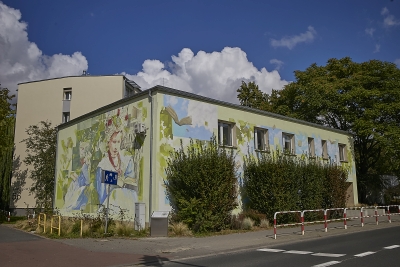
Luboń może pochwalić się pięknymi muralami. Zapraszamy do przyjrzenia się Bamberce na budynku Biblioteki Miejskiej, wspólnego przeżycia „Dnia w Luboniu” przy murze na boisku przy ul. Szkolnej czy rozszyfrowania kodów ze ściany Zespołu Szkół.
Fani gier turystycznych mogą rozwiązywać zagadki „Śladami zaginionego kapelusza”, złamać szyfrogram „Enigmatycznego Lubonia” lub odkryć tajemnice Żabikowa w queście.
„Śladami zaginionego kapelusza” https://gryturystyczne.pl/gry/sladami-zaginionego-kapelusza/
„Enigmatyczny Luboń” https://gryturystyczne.pl/gry/enigmatyczny-lubon/
"Quest tajemnice Żabikowa" https://questy.org.pl/quest/zabikowo-mala-wielka-osada