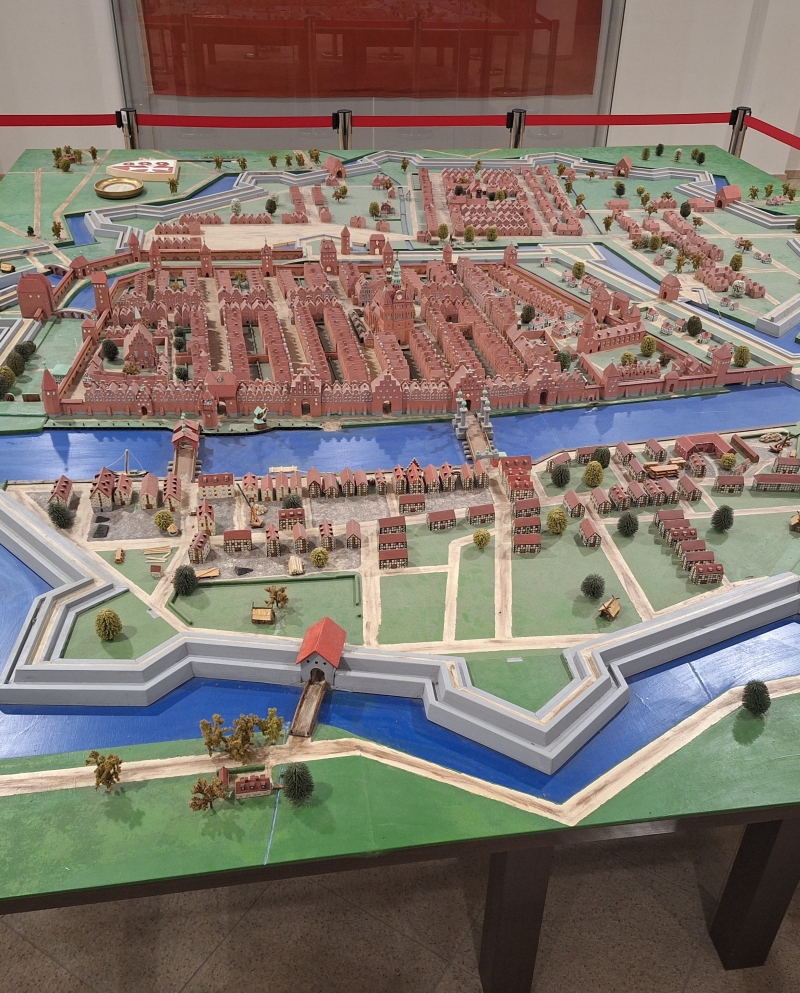
Hans Joachim Pfau handcrafted all the elements from two-hundred-year-old linden wood. The Elbląg native devoted over 2,300 hours of work to its creation, on a scale of one to three hundred. In 2013, he donated his work to the residents of his hometown as a unique gift of remembrance and history.
Look closely.
In the center, you'll see St. Nicholas Cathedral and the Old Town Hall. To the north stands the Market Gate, preserved to this day. On one side of the river stretches the Old Town, surrounded by defensive walls, and on the other, Granary Island, where port life and trade flourished. The model also reminds us that Elbląg was a city with a rich and complex history – it belonged to the Polish-Lithuanian Commonwealth, experienced the period of Swedish occupation, and developed as one of the most important ports in this part of the Baltic Sea.
17th-century Elbląg
This is an extraordinary journey to 17th-century Elbląg. The model depicts the city according to the street layout from a plan from 1635. You'll see hundreds of tenement houses, green spaces, and waterways that have shaped the city's development for centuries.
How it working
To listen to the history of monuments as part of the "Discover History" project, you need to follow a few simple steps. Below, we present a short, step-by-step "user manual" to provide a relatively simple way to access the mini-auditions.
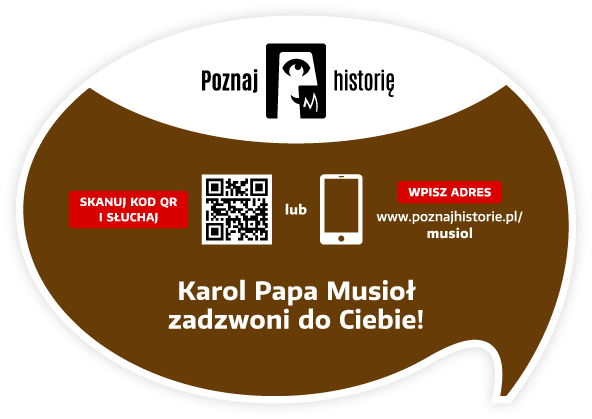
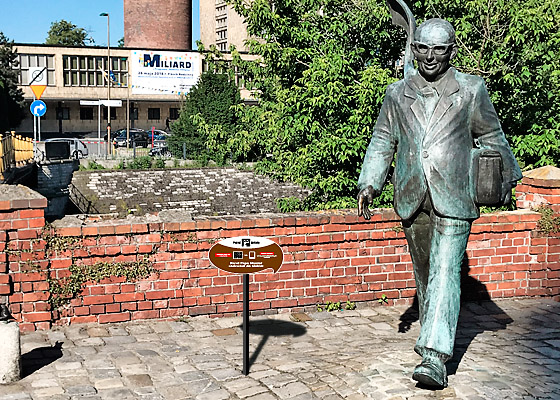
You need a smartphone with a camera. The camera lens should be pointed at the information plaque located next to the monument. Below is a view of the plaque itself and its example location next to the Karol Musioł monument in Opole.
After pointing your smartphone's camera at the QR code located on the right side of the plaque, the app's welcome screen will appear, followed by a screen with the name, photo of the monument, and the "START" button.
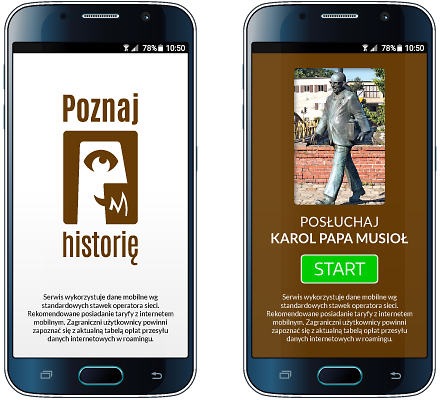
The "START" button starts the audio recording process.
Your smartphone will prompt you with the next steps after you listen to the story or pause it. Please keep an eye on your smartphone screen!
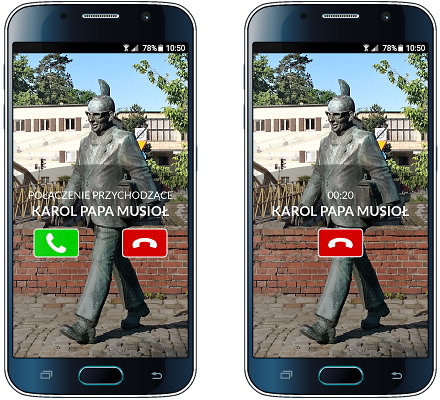
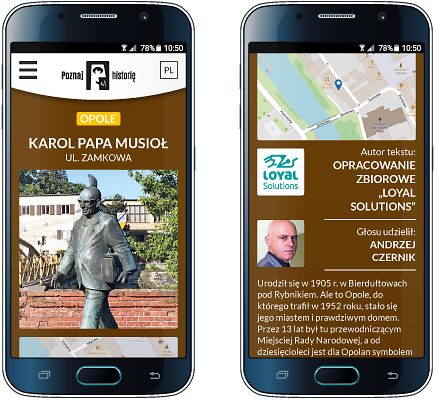
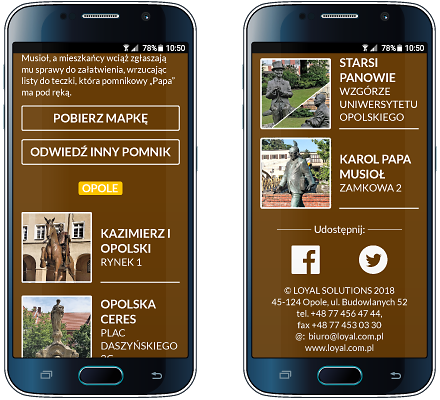
Other available options: brief information about the monument, author of the text and recording, list of other monuments in the city included in the "Discover History" project, downloadable map of monuments, video, and social media links
Would you like to implement the project in your city as well?
ContactView gallery
Monuments in cities remind us of the history of places and people, and allude to important events. They are also works of art. Bronze, metal, wood, or concrete transformed into the form of a monumental obelisk attract attention. We enjoy sitting by them, taking photos, and making appointments.
Project partners
Implementing the "Discover history" project in each city requires the involvement of many people: programmers, graphic designers, writers, actors, sound engineers, and coordinators. It is thanks to them that this project came to life.
Our ambition is to continually expand its reach. Therefore, we thank our current partners and invite additional cities, institutions, companies, and individuals to collaborate!

Would you like to become our Partner of the project or monument?
ContactContact
Are you interested in implementing the project in your city? Want to learn more? Want to learn more? Write to us, call us! We'll contact you and arrange a meeting. We'll prepare materials and a proposal for you.

QR Communication Sp. z o.o.
tel. +48 735 147 911
tel. +48 606 881 118
paulina.panusch@poznajhistorie.pl
kontakt@poznajhistorie.pl
Visit Social media:
Share Social media: