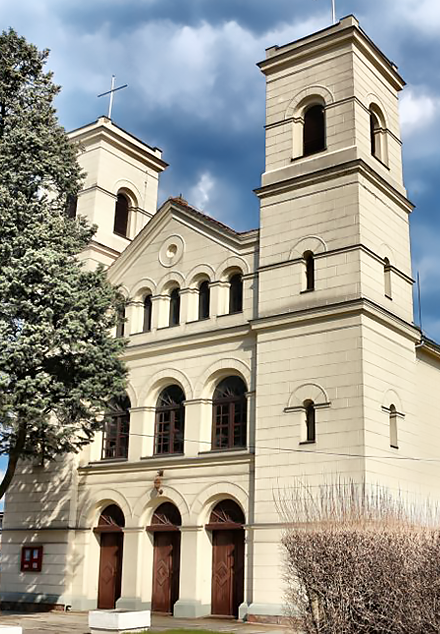
Kościół pw. Świętej Trójcy

Budowla powstała bowiem między 1837 a 1839 rokiem. Jej projektantem był Karl Friedrich Schinkel, artysta, który projektował budynki niemal w całej Europie. I to z dużym rozmachem! To taki Versace XIX wiecznej architektury. Jego największe dzieła można podziwiać do dziś głównie w Berlinie.

Jakby tego było mało, projektował również wnętrza. Łączył późny klasycyzm z nowymi stylami historyzmu. Stworzył swój charakterystyczny styl arkadowy – Rundbogenstil oraz przyczynił się do rozkwitu neogotyku. Co więcej, był prekursorem ochrony i renowacji zabytków.

Kościół obecnie użytkują katolicy, ale niegdyś rzeczywiście należał do protestantów, których we Wschowie było bardzo wielu. Zresztą pierwotny kościół ewangelicki powstał w tym miejscu już w latach czterdziestych XVII wieku! Niestety ani po nim, ani po kolejnym z końca wieku XVIII nie pozostał ślad. Wszystko przez wielkie pożary, które nawiedziły miasto niszcząc je w znacznym stopniu. Ten projektu Schinkla pełnił swoją rolę do końca II wojny światowej. Potem zmieniono go na magazyn.

Dopiero na początku lat 90. XX wieku budynek przekazano wschowskiej parafii katolickiej pw. św. Stanisława Biskupa i Męczennika. Obecnie jest jej kościołem filialnym.
Kościół pw. Świętej Trójcy

Visit Social media:

Share Social media:

How it working

To listen to the history of monuments as part of the "Discover History" project, you need to follow a few simple steps. Below, we present a short, step-by-step "user manual" to provide a relatively simple way to access the mini-auditions.

STEP 1

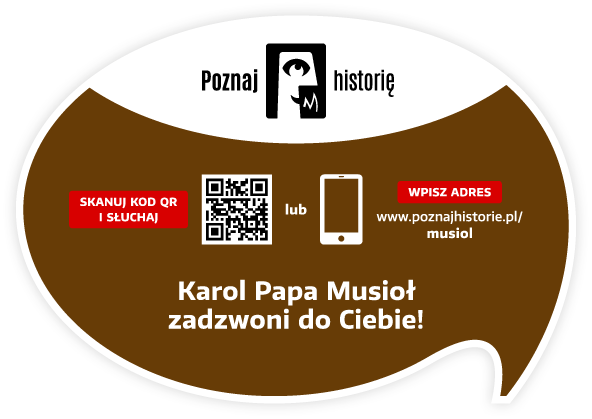
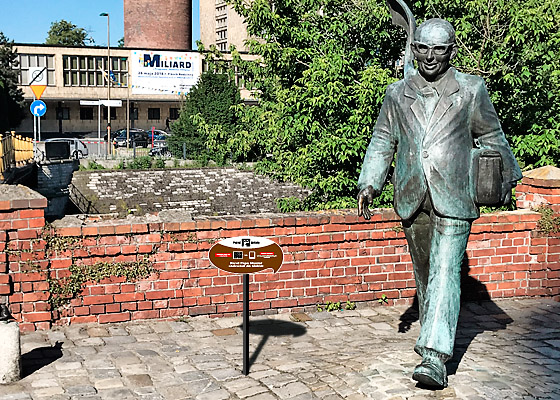
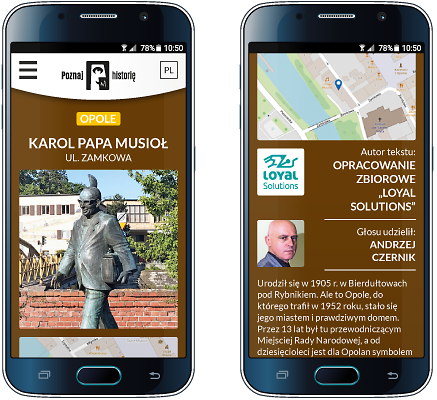
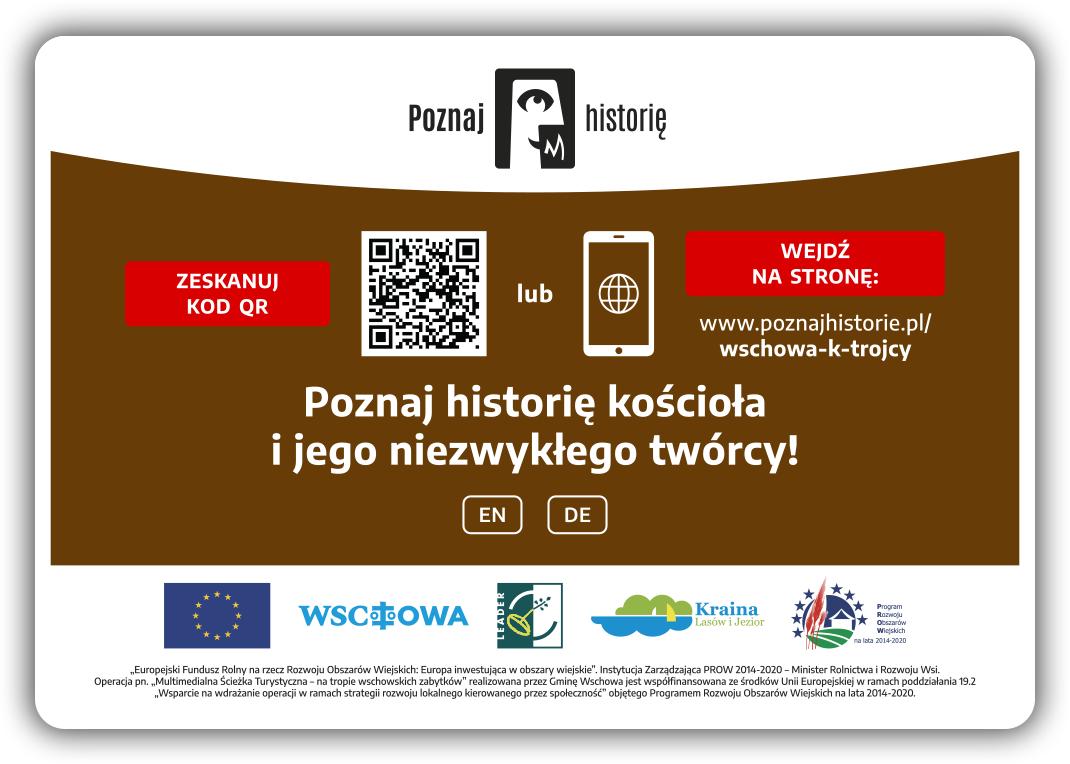
You need a smartphone with a camera. The camera lens should be pointed at the information plaque located next to the monument. Below is a view of the plaque itself and its example location next to the Karol Musioł monument in Opole.

STEP 2

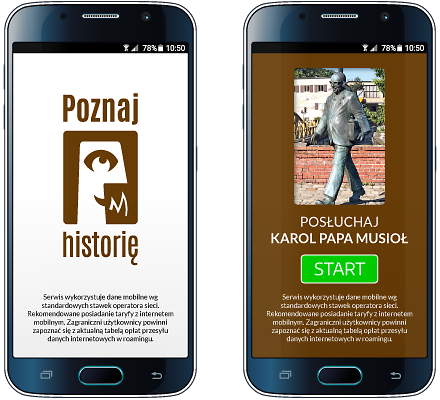
After pointing your smartphone's camera at the QR code located on the right side of the plaque, the app's welcome screen will appear, followed by a screen with the name, photo of the monument, and the "START" button.

STEP 3

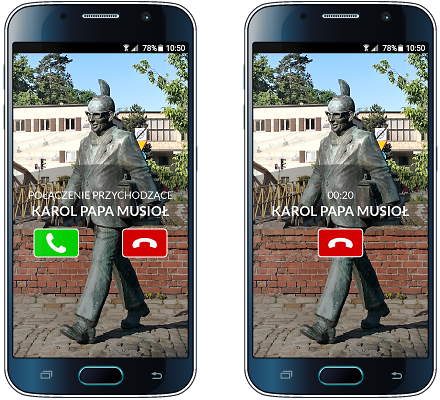
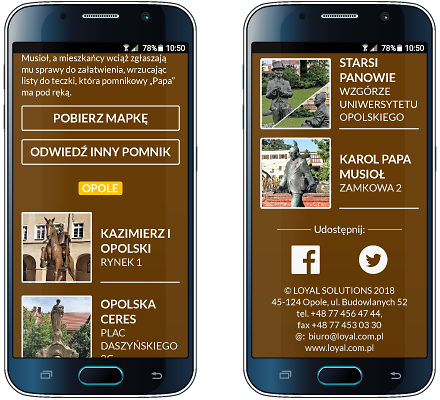
The "START" button starts the audio recording process.
Your smartphone will prompt you with the next steps after you listen to the story or pause it. Please keep an eye on your smartphone screen!

STEP 4

Other available options: brief information about the monument, author of the text and recording, list of other monuments in the city included in the "Discover History" project, downloadable map of monuments, video, and social media links


Would you like to implement the project in your city as well?

Contact

Project partners

Implementing the "Discover history" project in each city requires the involvement of many people: programmers, graphic designers, writers, actors, sound engineers, and coordinators. It is thanks to them that this project came to life.

Our ambition is to continually expand its reach. Therefore, we thank our current partners and invite additional cities, institutions, companies, and individuals to collaborate!


Would you like to become our Partner of the project or monument?

Contact

Contact

Are you interested in implementing the project in your city? Want to learn more? Want to learn more? Write to us, call us! We'll contact you and arrange a meeting. We'll prepare materials and a proposal for you.