Wiadomość o kradzieży poruszyła mieszkańców. Skarbnik sądowy Thone, pełniący także funkcję dowódcy miejskiej straży, za punkt honoru postawił sobie pojmać złodzieja. Samo pojmanie nie okazało się takie trudne, gorzej było z odzyskaniem zastawy. Złodziej twardo zaprzeczał bowiem swojej winie i nie wydawało się, że prędko zmieni zdanie. Wtedy właśnie narodził się w głowie Thona podstęp. Wymyślił on, że urządzą pokazowy sąd kapturowy, na którym zmuszą złodzieja do przyznania się.
Nie poszło łatwo, choć zebrani ławnicy zażądali dla złodzieja kary śmierci. Po tym oskarżeniu pisarz rozpoczął przesłuchanie obwinionego i próbował skłonić go przyznania się i przede wszystkim wskazania miejsca ukrycia kosztowności. Wszelkie próby były jednak daremne. Nie pomogły nawet zapewnienia, że w razie szczerego przyznania się i oddania skarbu, winny może liczyć na względy bardzo cierpiącego z powodu kradzieży właściciela zastawy. Zatwardziały złodziej postanowił trwać w swoim kłamstwie.
Więźnia trzeba było mocniej nastraszyć. Jak? Otóż, założono mu pętlę na szyję i napięto stryczek aż musiał stanąć na palcach. Dopiero jednak za drugim razem, kiedy pętla na dobre zacisnęła się wokół szyi i stopy straciły grunt, przyznał się szczerze do kradzieży i zdradził miejsce ukrycia. Wtedy zdjęto go z pętli i zdrowego postawiono na twardym gruncie.
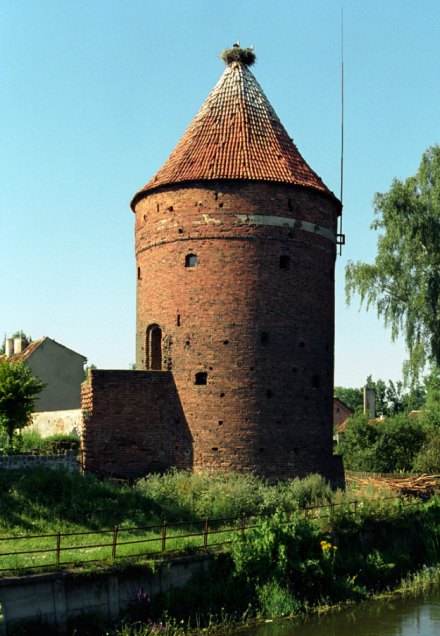
Sama baszta natomiast, gdzie odbył się ów sąd, pochodzi z XIV wieku i była połączona z murami obronnymi. Ostatnio została solidnie wyremontowana. Wyposażono ją w stylowe meble, efektowne oświetlenie, ręcznie kute kraty i żyrandole. Obecnie w Baszcie mieści się siedziba Oddziału Stowarzyszenia Społeczno-Kulturalnego "Pojezierze". Budynek zaadaptowano na muzeum historii Dobrego Miasta. Można w nim obejrzeć dawne mapy biskupstwa warmińskiego, plany miasta, fotografie, a na nich Dobre Miasto sprzed 1945, kiedy spalili je radzieccy żołnierze. W sezonie letnim organizowane są tutaj wystawy malarstwa, grafiki, batiku, tkaniny artystycznej. Samą basztę można oczywiście zwiedzać.



Visit Social media:
Share Social media: