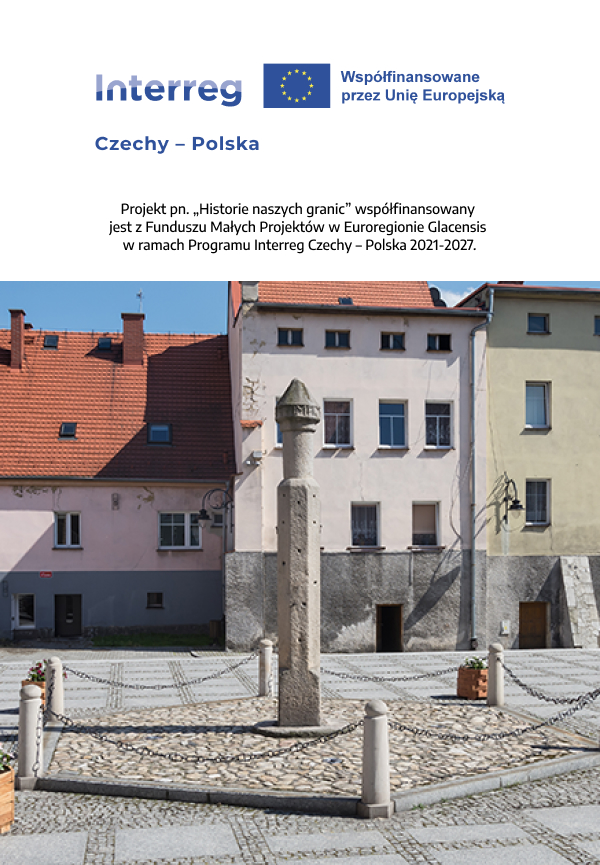
Pręgierz ów pochodzi z 1556 roku i kilkukrotnie zmieniał swoje położenie. Pierwotnie stał na głównym rynku, aby w 1813 roku ostatecznie trafić na Mały Rynek. Zwróćcie uwagę na jego formę. Jest to kamienna kolumna ze stożkową głowicą, zwieńczona inskrypcją „DEUS IMPIOS PUNIT” (Bóg karze bezbożników). Służył do karania przestępców głównie za takie wykroczenia jak oszustwa, kradzieże czy naruszenia porządku. Skazanych, zazwyczaj po wyroku sądu miejskiego, przywiązywano do pręgierza, często z tablicą informującą o ich przewinieniu. Była to kara hańby, stosowana po to, by upokorzyć przestępcę i ostrzeżec innych.
Pręgierz to jednak nie tylko narzędzie kary. To symbol władzy sądowniczej miasta i jego prawa do utrzymywania porządku. Jego obecność na głównym placu była oczywista. Każdy mieszkaniec, każdy przybywający do miasta, musiał go widzieć. Był on częścią miejskiego krajobrazu, tak samo ważną, jak ratusz czy kościół, przypominającą o konsekwencjach łamania prawa.



Visit Social media:
Share Social media: