The residence was designed by a young architect, Max Drechlser, educated in Leipzig. And for the construction and finishing, the best local and Berlin construction companies, artists and craftsmen were employed. There was no shortage of money here.
To this day, it is one of the most architecturally beautiful monuments in Szczecin. One of the sharks of the nineteenth-century Szczecin financiers - August Lentz, built it in the Pompeian style of the "second empire". In addition, he did it in the newly created, prestigious villa district, completely overshadowing the neighbors.
Lentz was a successful man who achieved everything he had thanks to his skill and diligence. He started out as a simple mechanic in the Zander plant, and rose to the position of a shareholder, director and actual creator of the power of Szczecińska Fabryka Wyrobów Szamotowych. He moved into the stunning villa with his family - his wife and then still unmarried daughter Margareta - in 1890.
In 1899 it became the property of Lentz's daughter - Margaret Tegeder, who married a Berlin musician and rentier - Georg Tegeder. In 1911, the villa was bought by Wilhelm Doring, a grain merchant from Szczecin, owner of a cement plant and art collector. It was he who, during a major renovation, arranged a modern bathroom here, installed central heating and even a central vacuum cleaner! In the basement, he had a treasury for valuables and works of art built.
Today, meetings, exhibitions, concerts and performances are held here in the setting of beautiful interiors that have been restored to their splendor. It is worth spending some time in Lentz's villa and feeling the atmosphere from the era of its first owner. It can also be visited - not only during these events - at designated times.
Willa Lentza
Elegant Silesian sandstone and clinker brick on the facade. In addition, tasteful columns made of Swedish granite and an impressive balcony. And inside, stuccoes, carved paneling and royal polychromes! August Lentz built himself a house worthy of his high position.


How it working
To listen to the history of monuments as part of the "Discover History" project, you need to follow a few simple steps. Below, we present a short, step-by-step "user manual" to provide a relatively simple way to access the mini-auditions.
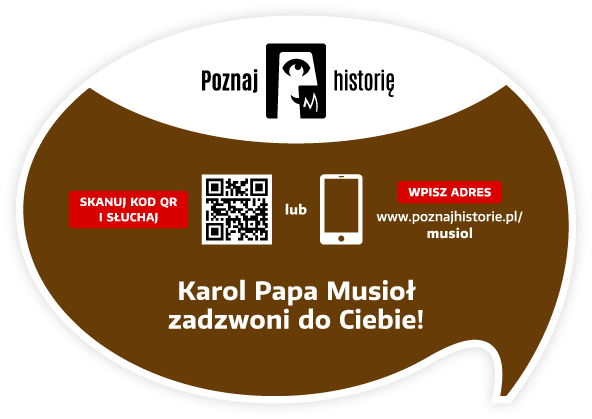
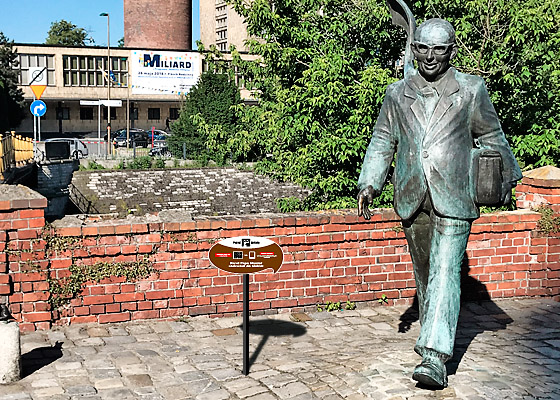
You need a smartphone with a camera. The camera lens should be pointed at the information plaque located next to the monument. Below is a view of the plaque itself and its example location next to the Karol Musioł monument in Opole.
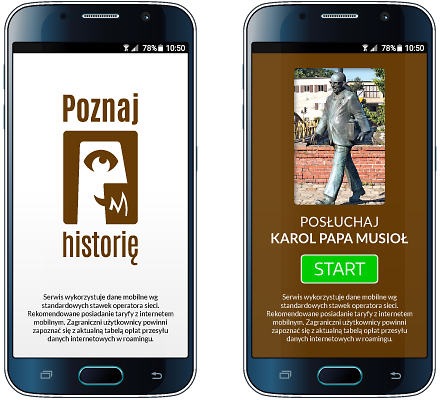
After pointing your smartphone's camera at the QR code located on the right side of the plaque, the app's welcome screen will appear, followed by a screen with the name, photo of the monument, and the "START" button.
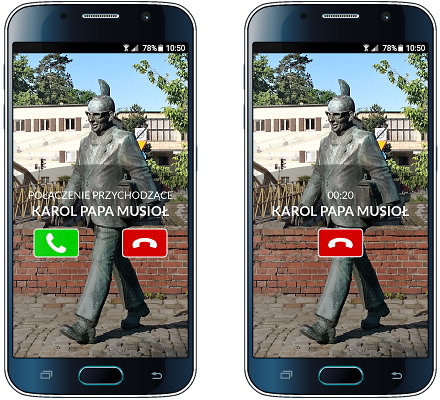
The "START" button starts the audio recording process.
Your smartphone will prompt you with the next steps after you listen to the story or pause it. Please keep an eye on your smartphone screen!
Other available options: brief information about the monument, author of the text and recording, list of other monuments in the city included in the "Discover History" project, downloadable map of monuments, video, and social media links
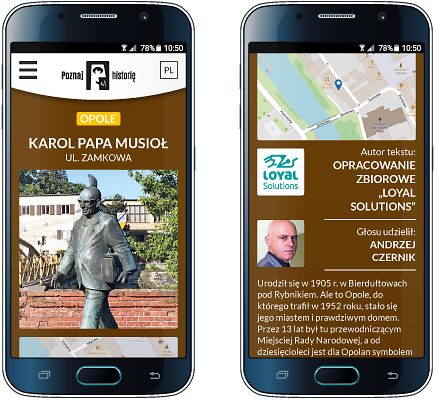
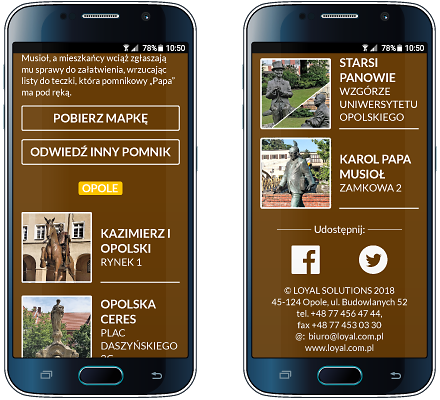
Would you like to implement the project in your city as well?
ContactView gallery
Monuments in cities remind us of the history of places and people, and allude to important events. They are also works of art. Bronze, metal, wood, or concrete transformed into the form of a monumental obelisk attract attention. We enjoy sitting by them, taking photos, and making appointments.
Contact
Are you interested in implementing the project in your city? Want to learn more? Want to learn more? Write to us, call us! We'll contact you and arrange a meeting. We'll prepare materials and a proposal for you.

QR Communication Sp. z o.o.
tel. +48 735 147 911
tel. +48 606 881 118
paulina.panusch@poznajhistorie.pl
kontakt@poznajhistorie.pl
Visit Social media:
Share Social media: