Pomnik gen. Józefa Hallera

10 lutego 1920 roku na wysokim maszcie nad Zatoką Pucką zawisła biało-czerwona flaga. Ceremonia jej wciągnięcia wieńczyła symboliczne zaślubiny polski z morzem. Polska dostała wreszcie pas wybrzeża o długości 147 kilometrów. Żołnierzom przejmującym te ziemie przewodził generał Józef Haller.

Już wtedy był jednym z najwybitniejszych wojskowych w naszej historii. Podczas I wojny światowej zasłynął m.in. organizacją Legionów Polskich. Po jej zakończeniu wszedł w skład Komitetu Narodowego Polski i został mianowany dowódcą tworzonej właśnie armii polskiej. Ich członków, z racji koloru mundurów, nazywano Błękitną Armią. Stanowili ją bowiem ochotnicy spośród jeńców wojennych oraz polonia: głównie francuska, amerykańska i kanadyjska. Jesienią 1918 roku Błękitni brali udział w walkach z Niemcami w Wogezach i Szampanii.

Po rozejmie na froncie zachodnim armię nadal rozbudowywano i gdy wiosną 1919 roku zaczęto ją przenosić do Polski, liczyła ona - bagatela! - 68 tysięcy żołnierzy. Na początku roku 1920 Haller objął dowództwo Frontu Pomorskiego, czego kulminacją były właśnie historyczne zaślubiny z morzem.

Co niezwykle istotne generał tak zachwycił się widokiem polskiego już wybrzeża, że zaproponowano mu zakup tutejszych gruntów. Był to - jak się okazało - kamień węgielny dziejów Władysławowa. Na dwudziestu hektarach rozpoczęto budowę letniska, a cztery lata później na jego terenie stanęła urocza drewniana willa do której generał Haller przyjeżdżał wypoczywać latem.
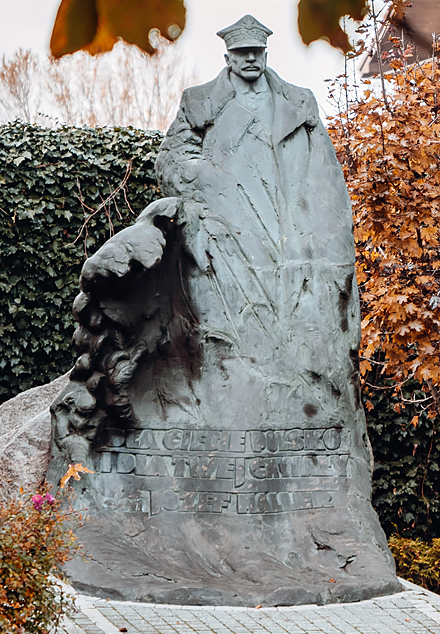
Pomnik gen. Józefa Hallera
Pomnik gen. J. Hallera

Visit Social media:

Share Social media:

How it working

To listen to the history of monuments as part of the "Discover History" project, you need to follow a few simple steps. Below, we present a short, step-by-step "user manual" to provide a relatively simple way to access the mini-auditions.

STEP 1

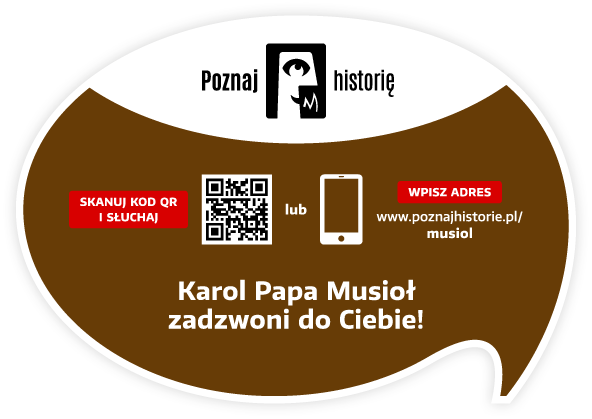
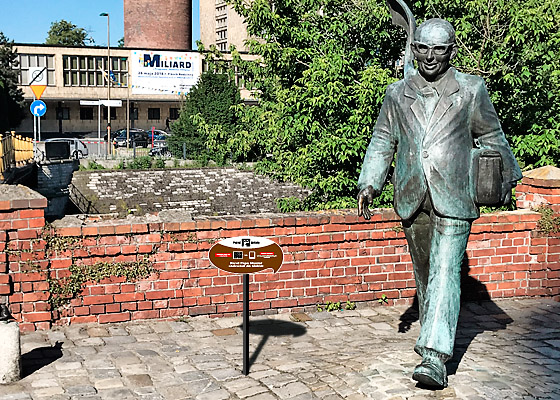
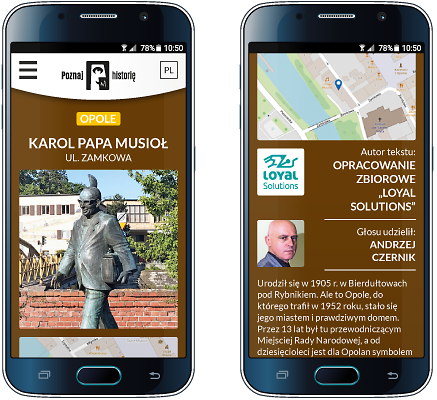
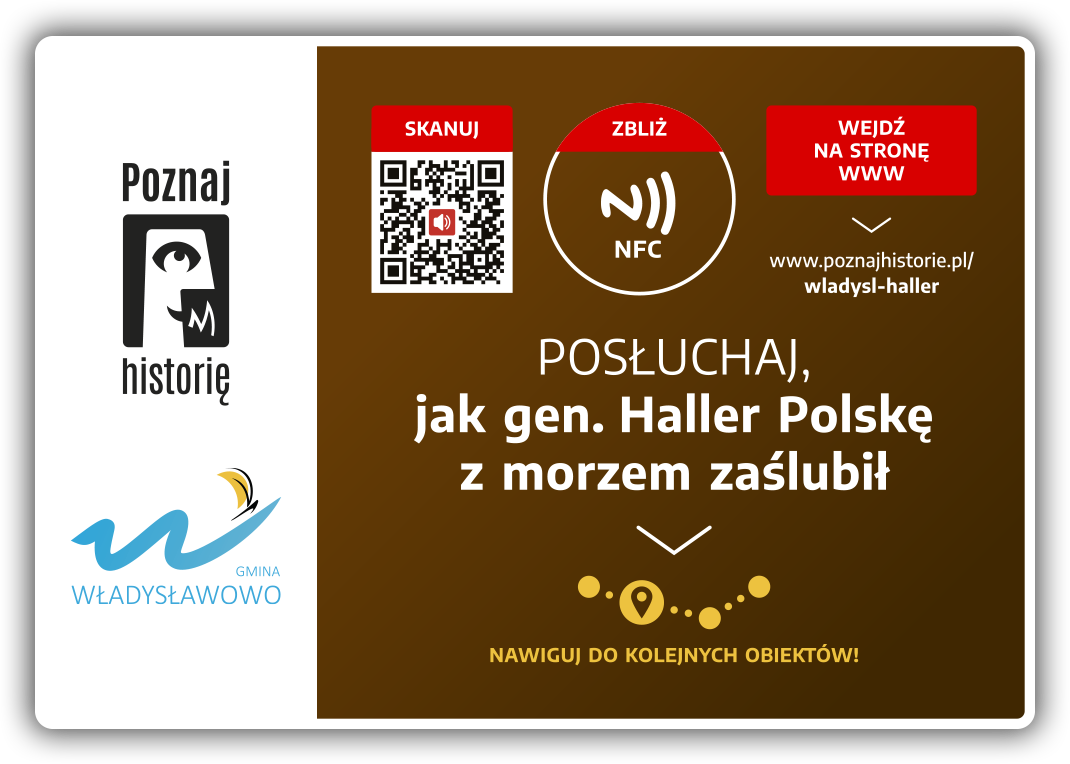
You need a smartphone with a camera. The camera lens should be pointed at the information plaque located next to the monument. Below is a view of the plaque itself and its example location next to the Karol Musioł monument in Opole.

STEP 2

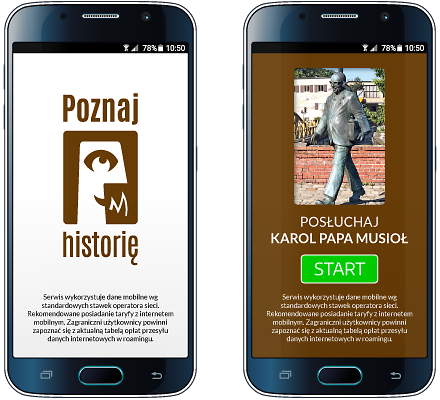
After pointing your smartphone's camera at the QR code located on the right side of the plaque, the app's welcome screen will appear, followed by a screen with the name, photo of the monument, and the "START" button.

STEP 3

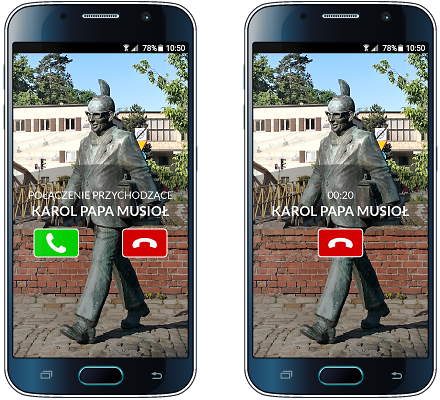
The "START" button starts the audio recording process.
Your smartphone will prompt you with the next steps after you listen to the story or pause it. Please keep an eye on your smartphone screen!

STEP 4

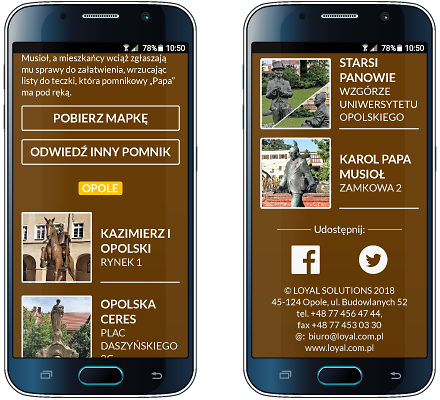
Other available options: brief information about the monument, author of the text and recording, list of other monuments in the city included in the "Discover History" project, downloadable map of monuments, video, and social media links


Would you like to implement the project in your city as well?

Contact

Project partners

Implementing the "Discover history" project in each city requires the involvement of many people: programmers, graphic designers, writers, actors, sound engineers, and coordinators. It is thanks to them that this project came to life.

Our ambition is to continually expand its reach. Therefore, we thank our current partners and invite additional cities, institutions, companies, and individuals to collaborate!


Would you like to become our Partner of the project or monument?

Contact

Contact

Are you interested in implementing the project in your city? Want to learn more? Want to learn more? Write to us, call us! We'll contact you and arrange a meeting. We'll prepare materials and a proposal for you.