Kościół
w Jastrzębiej Górze

Skomponował cztery opery, osiem symfonii oraz wiele utworów orkiestrowych, koncertów instrumentalnych i kameralnych. Tworzył muzykę do filmów polskich i zagranicznych. Jego kompozycje znalazły się w takich dziełach kina, jak „Katyń” Andrzeja Wajdy, „Lśnienie” Stanleya Kubricka, „Wyspa tajemnic” Martina Scorsese czy „Dzikość serca” Davida Lyncha.

Brytyjski The Guardian napisał o nim, że był „najprawdopodobniej największym żyjącym polskim kompozytorem”. Wiele jego utworów powstało tu, w Jastrzębiej Górze. Krzysztof Penderecki ukochał sobie nasz kurort tak bardzo, że przez ponad 50 lat przyjeżdżał tu rokrocznie na kilkutygodniowe wakacje. Wraz z najbliższymi kwaterował zawsze w tym samym miejscu: pensjonacie „Leśna Perła”. Z czasem, po Krakowie, gdzie mieszkał i pracował oraz ukochanym dworze w Lutosławicach, Jastrzębia Góra stała się jego trzecim domem. Spędzał tu czas z rodziną i… komponował.

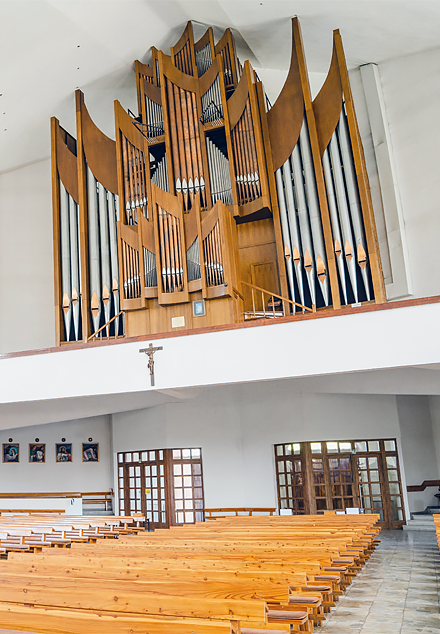
Z Jastrzębią Górą związany był tak bardzo, że patronował odbywającemu się tu od 2005 roku Letniemu Festiwalowi „Słowo i Muzyka u Jezuitów”. W tutejszym kościele świętego Ignacego Loyoli powstały dedykowane mu organy, jedne z sześciu najsłynniejszych i najbardziej rozpoznawalnych w Polsce. Wisi dziś przy nich pamiątkowy portret mistrza. A na budynku ukochanej „Leśnej Perły” – tablica pamiątkowa. Piszczałkowe organy mechaniczne zostały sprowadzone do Jastrzębiej Góry z Hamburga. Mają kształt morskich fal, nawiązujący do miejsca. Montowane były przez organmistrza Michała Klepackiego. Składają się z ponad 7 tysięcy piszczałek i można z nich wydobyć 77 barw. Docelowo mają mieć 105 głosów. Największa, zamontowana w nich piszczałka, nosi imię Krzysztofa Pendereckiego.
Kościółw Jastrzębiej Górze
Kościół w Jastrzębiej Górze

Visit Social media:

Share Social media:

How it working

To listen to the history of monuments as part of the "Discover History" project, you need to follow a few simple steps. Below, we present a short, step-by-step "user manual" to provide a relatively simple way to access the mini-auditions.

STEP 1

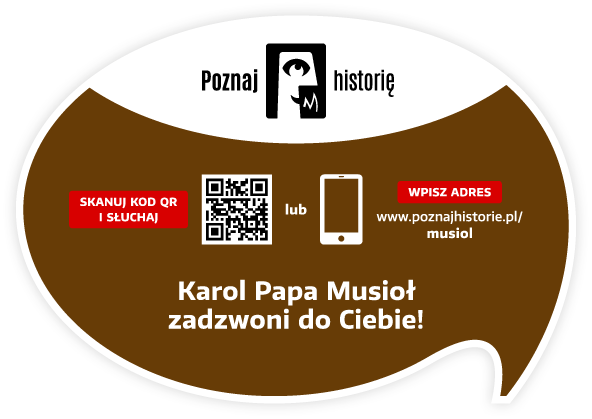
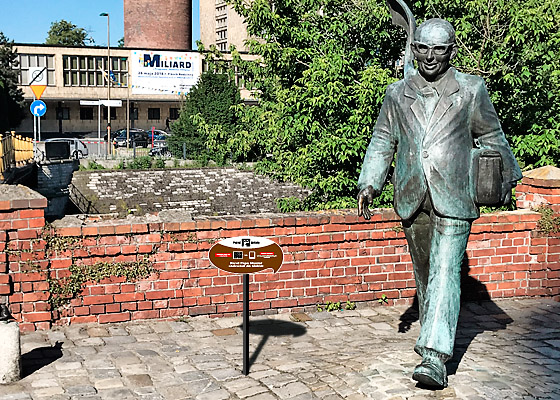
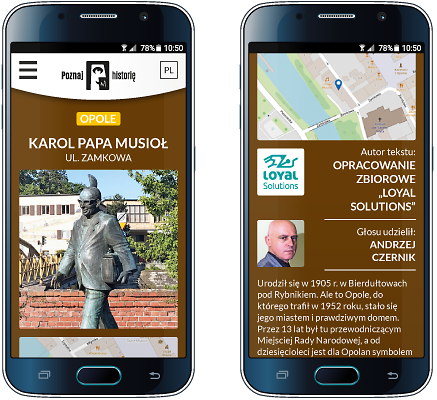
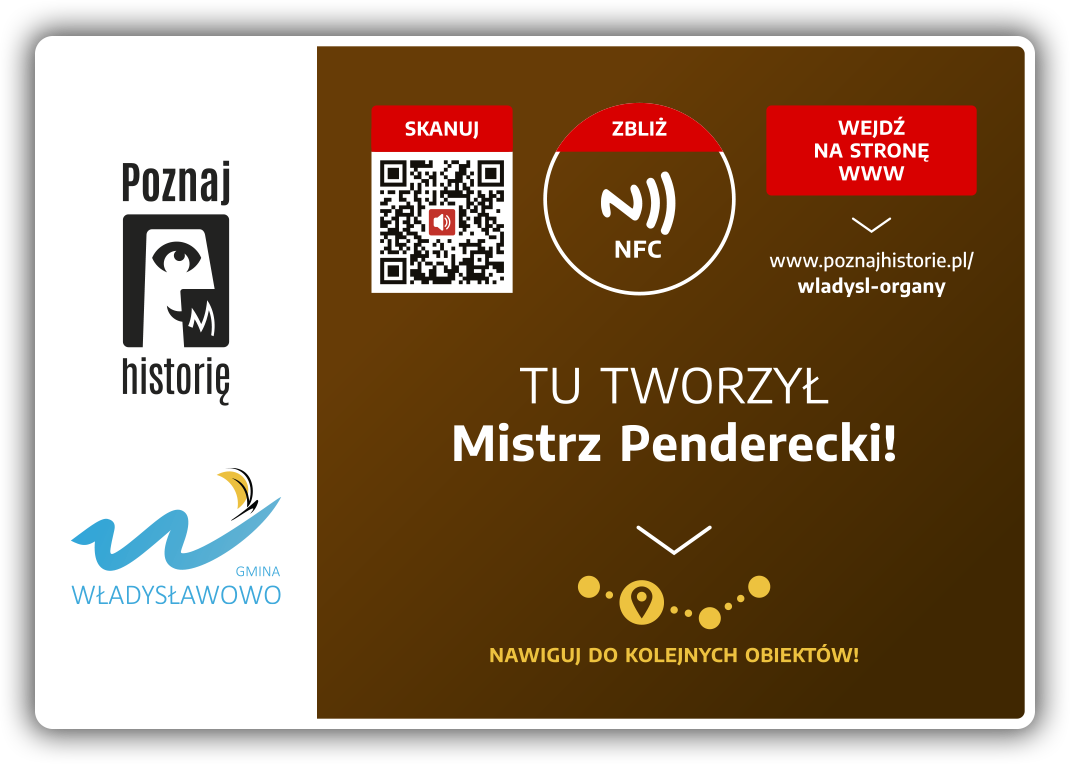
You need a smartphone with a camera. The camera lens should be pointed at the information plaque located next to the monument. Below is a view of the plaque itself and its example location next to the Karol Musioł monument in Opole.

STEP 2

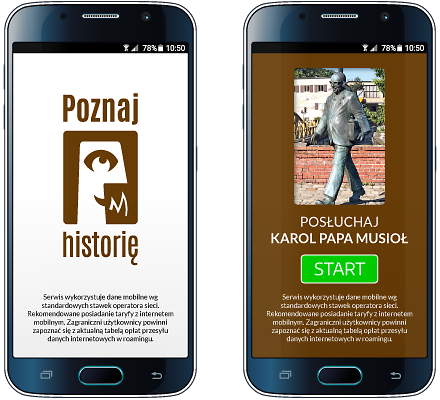
After pointing your smartphone's camera at the QR code located on the right side of the plaque, the app's welcome screen will appear, followed by a screen with the name, photo of the monument, and the "START" button.

STEP 3

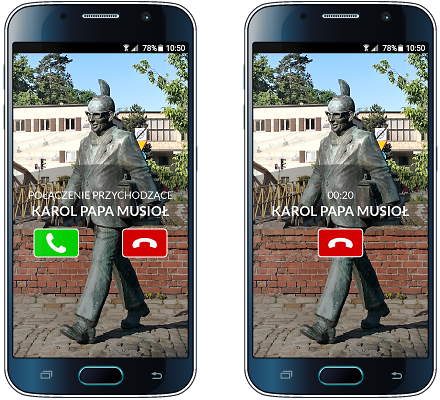
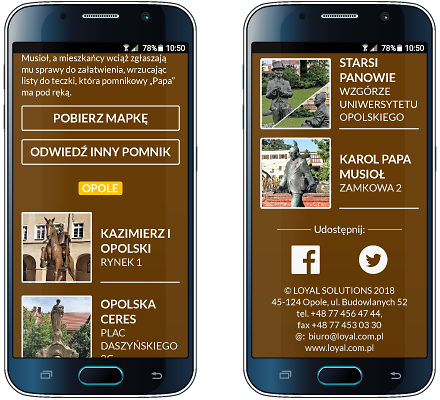
The "START" button starts the audio recording process.
Your smartphone will prompt you with the next steps after you listen to the story or pause it. Please keep an eye on your smartphone screen!

STEP 4

Other available options: brief information about the monument, author of the text and recording, list of other monuments in the city included in the "Discover History" project, downloadable map of monuments, video, and social media links


Would you like to implement the project in your city as well?

Contact

Project partners

Implementing the "Discover history" project in each city requires the involvement of many people: programmers, graphic designers, writers, actors, sound engineers, and coordinators. It is thanks to them that this project came to life.

Our ambition is to continually expand its reach. Therefore, we thank our current partners and invite additional cities, institutions, companies, and individuals to collaborate!


Would you like to become our Partner of the project or monument?

Contact

Contact

Are you interested in implementing the project in your city? Want to learn more? Want to learn more? Write to us, call us! We'll contact you and arrange a meeting. We'll prepare materials and a proposal for you.